


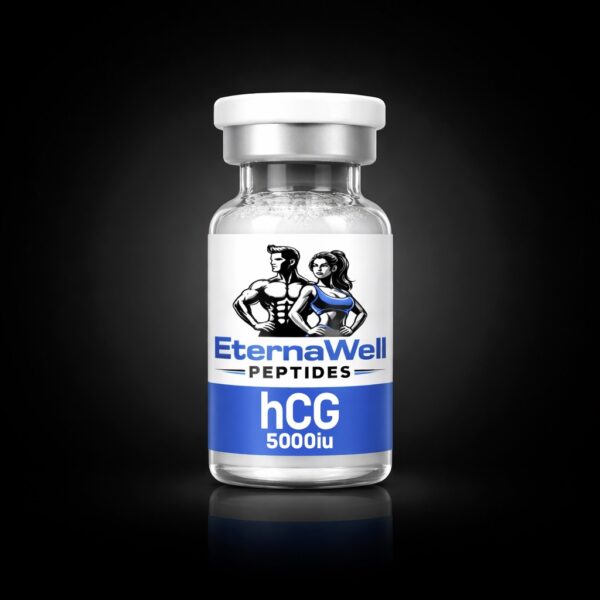
hCG (Human Chorionic Gonadotropin) is a glycoprotein hormone commonly studied in laboratory research for its role in reproductive endocrinology and gonadal signaling pathways. In experimental systems, hCG is frequently examined for its interaction with luteinizing hormone (LH) receptors, which are involved in regulating hormone production within reproductive tissues. Because of its structural similarity to LH, hCG is often used in research models investigating the signaling mechanisms that influence steroid hormone synthesis and endocrine feedback processes.
Within controlled laboratory environments, hCG is widely utilized in studies focused on hormonal regulation, reproductive biology, and endocrine system dynamics. Researchers may examine how hCG-related signaling influences processes such as testosterone production, ovarian function, and gonadal hormone balance. These investigations often explore how receptor-mediated signaling pathways contribute to broader endocrine responses, including feedback loops involving the hypothalamic–pituitary–gonadal (HPG) axis.
hCG is also studied as a tool for understanding hormone-mediated cellular signaling and receptor activation mechanisms within endocrine tissues. Experimental models may use hCG to observe how hormonal stimuli influence gene expression, cellular activity in reproductive organs, and downstream metabolic or physiological signaling pathways. Because of its well-characterized receptor interactions, hCG continues to be a commonly utilized compound in research exploring reproductive hormone biology and endocrine regulation.
Research use only. Not for human or veterinary use.



Reviews
There are no reviews yet.